26 Jun 2026
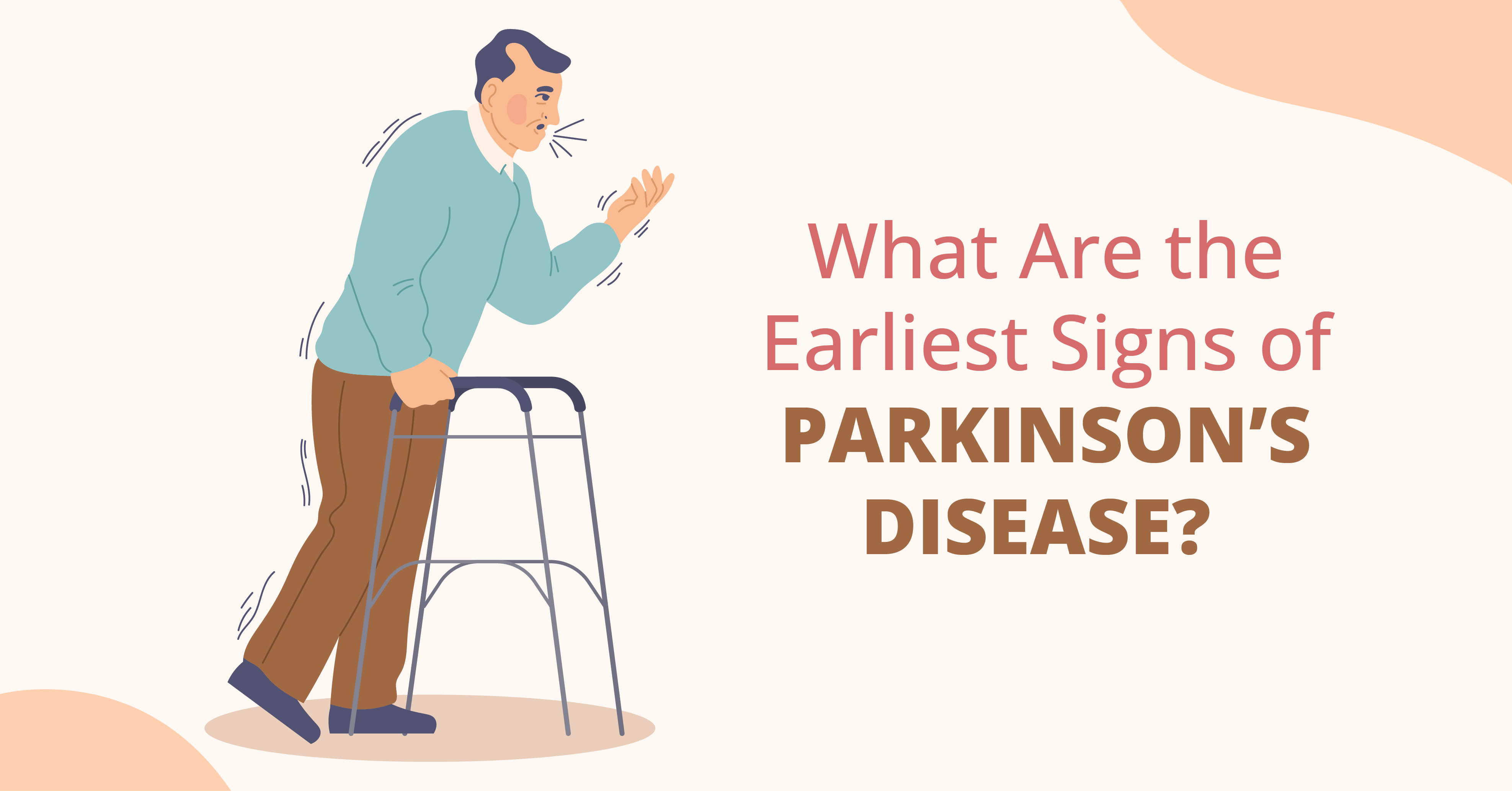
What Are the Earliest Signs of Parkinson’s Disease?

What Are the Earliest Signs of Parkinson's Disease?
Parkinson's disease is a progressive neurological condition that affects movement, balance, and coordination. Many people believe Parkinson's only causes shaking of the hands, but the condition often begins with subtle symptoms that can easily be ignored in daily life.
Recognising the early signs of Parkinson's disease is important because timely diagnosis and treatment can help manage symptoms more effectively and improve quality of life.
If you or someone close to you has noticed unusual movement changes, this guide will help you understand the common warning signs and when it may be time to consult a neurologist.
Understanding Parkinson's Disease
Parkinson's disease develops when certain nerve cells in the brain begin to lose their function over time. These cells are responsible for producing dopamine, a chemical that helps control smooth body movements.
As dopamine levels decrease, a person may begin experiencing movement difficulties and other neurological symptoms.
Although Parkinson's disease is more common in older adults, it can sometimes affect younger individuals as well.
Early Signs of Parkinson's Disease
1. Tremors or Shaking
One of the earliest and most recognised symptoms of Parkinson's disease is a slight tremor, usually beginning in the fingers, hand, or chin.
Many people notice:
- Shaking while resting
- Finger twitching
- Tremors in one hand more than the other
Early tremors are often mild and may be mistaken for stress, fatigue, or normal ageing.
2. Slower Movement
Simple daily tasks may start taking longer than usual. A person may notice:
- Difficulty getting out of a chair
- Walking more slowly
- Reduced arm movement while walking
- Delayed reactions
This symptom is known as bradykinesia, which means slowness of movement.
3. Muscle Stiffness
Stiffness in the arms, shoulders, neck, or legs can be another early sign of Parkinson's disease.
People may experience:
- Tight muscles
- Discomfort while moving
- Reduced flexibility
- Difficulty turning in bed
Muscle stiffness is often confused with arthritis or age-related discomfort, which may delay diagnosis.
4. Changes in Handwriting
A sudden change in handwriting can sometimes indicate neurological changes associated with Parkinson's disease.
Handwriting may become:
- Smaller
- Crowded
- Difficult to read
This condition is known as micrographia and is commonly seen in early Parkinson's disease.
5. Balance Problems
People with Parkinson's may begin experiencing:
- Poor balance
- Frequent stumbling
- Difficulty standing steadily
- Fear of falling
These symptoms often develop gradually and may worsen with time if untreated.
6. Facial Expression Changes
Some individuals develop a reduced facial expression, sometimes called a "masked face".
Family members may notice that the person:
- Appears serious all the time
- Blinks less often
- Shows limited facial emotion
This happens because Parkinson's can affect the muscles involved in facial movement.
7. Softer or Low Voice
A person's voice may become softer, flatter, or more monotone than before.
Loved ones may frequently ask them to repeat themselves because the voice becomes difficult to hear clearly.
8. Sleep Disturbances
Sleep-related problems are also common in the early stages of Parkinson's disease.
These may include:
- Difficulty sleeping
- Restless movements during sleep
- Acting out dreams
- Frequent waking at night
Poor sleep can affect overall health and daily functioning.
When Should You See a Neurologist?
Not every tremor or movement problem means Parkinson's disease. However, if symptoms persist or gradually worsen, it is important to seek professional evaluation.
You should consult a neurologist if you notice:
- Ongoing hand tremors
- Slowed movements
- Balance difficulties
- Persistent stiffness
- Changes in speech or handwriting
Early diagnosis can make a significant difference in managing Parkinson's symptoms. Book an appointment with our neurologist today for personalized care and treatment guidance.
How Is Parkinson's Disease Diagnosed?
There is no single test that confirms Parkinson's disease. Neurologists usually diagnose the condition through:
- Medical history review
- Physical examination
- Movement assessment
- Brain imaging when required
An accurate diagnosis is essential because several neurological conditions can appear similar to Parkinson's disease in the beginning.
Treatment Options for Parkinson's Disease
Although Parkinson's disease currently has no permanent cure, treatment can significantly improve symptoms and quality of life.
Treatment may include:
- Medications
- Lifestyle adjustments
- Physiotherapy
- Speech therapy
- Exercise programmes
- Advanced neurological care
The treatment plan depends on the individual's symptoms and stage of the condition.
Can Parkinson's Disease Be Prevented?
There is no guaranteed way to prevent Parkinson's disease, but maintaining overall brain health may help reduce certain risks.
Healthy habits include:
- Regular exercise
- Balanced diet
- Quality sleep
- Stress management
- Routine medical check-ups
Early awareness remains one of the best ways to manage the condition effectively.
Conclusion
Parkinson's disease often develops gradually, making its early signs easy to overlook. Symptoms such as tremors, stiffness, slower movement, changes in handwriting, and balance difficulties should not be ignored. Early diagnosis and appropriate treatment can help improve symptom management and maintain quality of life. If you notice persistent neurological symptoms, consult a neurologist for timely evaluation and care.
Frequently Asked Questions
1. What is usually the first sign of Parkinson's disease?
A slight tremor in the hand, finger, or chin is often one of the earliest signs of Parkinson's disease.
2. Can Parkinson's disease start at a young age?
Yes. Although more common in older adults, Parkinson's disease can occasionally affect younger individuals.
3. Does Parkinson's disease only cause tremors?
No. Early symptoms may also include muscle stiffness, slower movements, balance problems, sleep disturbances, and changes in handwriting.
4. When should I see a neurologist for Parkinson's symptoms?
You should seek medical evaluation if tremors, stiffness, balance issues, or movement difficulties persist or worsen over time.
5. Can Parkinson's disease be cured?
There is currently no permanent cure for Parkinson's disease, but treatment can help manage symptoms and improve quality of life.